April 29, 2026
As 2026 continues to unfold, the hardscaping industry is reflecting a steady shift in how outdoor spaces are designed, built, and maintained. Hardscaping focuses on the non-plant elements of outdoor environments, including patios, walkways, retaining walls, driveways, and other structural features that shape how a property is used and experienced. This evolution has placed greater emphasis on long-term usability and cohesive outdoor planning.
Homeowners and commercial property owners are placing greater emphasis on durability, usability, and cohesive outdoor design. Hardscaping is no longer just about visual appeal, and it plays a central role in creating functional outdoor living spaces that support everyday use and seasonal enjoyment. As expectations rise, outdoor environments are increasingly viewed as extensions of usable living and working space.
This article explores current expectations in professional outdoor construction, including material approaches, design methods, evolving aesthetics, climate considerations, and cost planning. The focus remains on practical applications that support long-term property value and usability across residential and commercial settings.
Modern Outdoor Construction Materials
Choose Durable and Practical Materials
In 2026, material selection in hardscaping continues to prioritize durability, longevity, and low maintenance. Property owners are increasingly focused on materials that perform well under varying weather conditions while maintaining structural integrity over time. Stone, concrete, and paver systems remain widely used in patios, walkways, driveways, and retaining walls due to their dependability and versatility.
Common applications include stone, concrete, and paver systems used in patios, walkways, driveways, and retaining walls. These materials are widely chosen for their strength, versatility, and ability to complement a range of outdoor design styles. Installation methods continue to improve, supporting more consistent long-term performance across residential and commercial properties.
Rather than focusing on experimental or highly specialized materials, modern outdoor construction emphasizes dependable construction methods that support long-term usability and consistent performance. According to WifiTalents, 62% of homeowners choose to renovate their outdoor spaces primarily to improve aesthetics. This shift highlights how visual appeal continues to influence material and design decisions in outdoor environments.
Improve Material Performance
Material innovation in outdoor construction is largely centered on improving durability and reducing long-term maintenance needs. Concrete blends, engineered stone products, and improved installation techniques are helping extend the lifespan of outdoor structures. These advancements support more stable and resilient outdoor environments across different property types.
These improvements allow installed surfaces and structures to better withstand seasonal changes, moisture exposure, and heavy use in both residential and commercial environments. The goal is not only visual improvement but also structural resilience across all installed features. As a result, outdoor spaces are becoming more dependable over extended periods of use.
Modern Outdoor Design Planning
Use Digital Design Tools
Digital design tools are increasingly used in outdoor construction planning to help visualize outdoor spaces before installation begins. These tools allow professionals and clients to refine layouts, adjust features, and better understand how patios, walkways, and structural elements will interact within a property. This improves clarity during early-stage planning and reduces unnecessary revisions later in the process.
This approach improves accuracy during planning and helps reduce unnecessary adjustments during installation. It also supports clearer communication between design teams and property owners. As a result, project timelines are often more efficient and predictable. It further helps ensure that expectations stay aligned from initial concept through final completion.
Apply Interactive Visualization Methods
Interactive visualization methods are also becoming more common in professional outdoor construction workflows. These tools help clients better understand spatial relationships and design flow within outdoor environments. They provide a clearer sense of scale and proportion before physical work begins.
Modern Outdoor Design Trends
Create Clean and Functional Outdoor Layouts
Modern outdoor construction design continues to move toward clean, functional layouts that prioritize usability and structure. This often includes simple patio designs, defined walkways, and clearly structured outdoor zones that support everyday use. These layouts help create more organized and accessible outdoor environments.
Rather than overly complex layouts, the focus is on creating outdoor spaces that feel intentional, balanced, and easy to maintain. This approach supports long-term usability while reducing unnecessary visual clutter. It also allows outdoor features to serve more practical purposes within the overall property design.
Outdoor design preferences continue to evolve based on homeowner priorities. As expectations shift, aesthetic improvements remain a key driver in renovation decisions. This reinforces the importance of balancing function and visual appeal in modern outdoor planning.
Blend Structural And Natural Elements
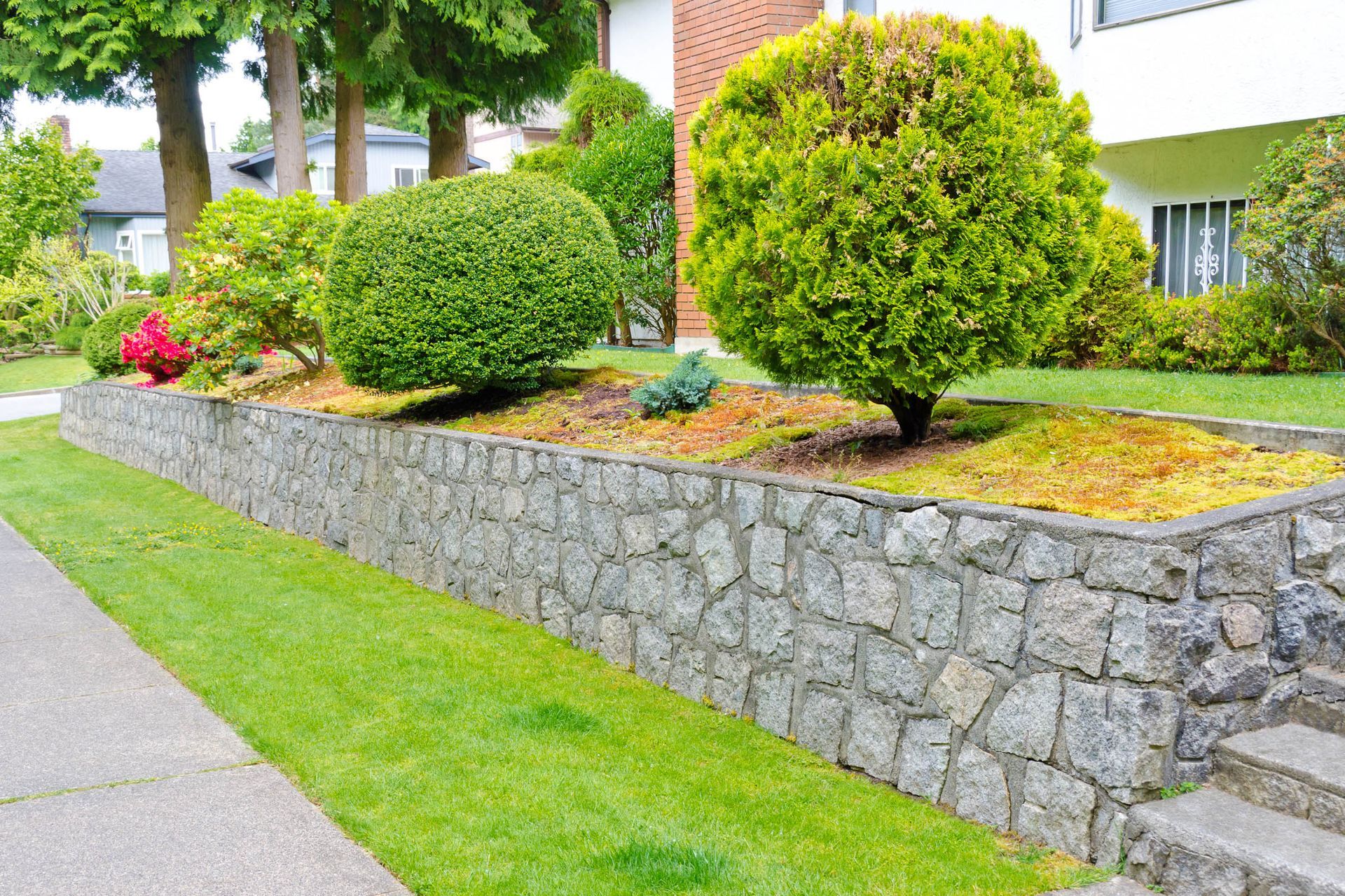
Outdoor construction design increasingly incorporates a balanced relationship between built features and natural surroundings. Structural elements such as patios, retaining walls, and walkways are often integrated with planting areas to create a more cohesive outdoor environment. This integration supports both functionality and visual continuity.
Climate-Influenced Outdoor Construction
Implement Water Management And Drainage Solutions
Water management remains a key factor in modern outdoor construction design. Proper drainage planning helps prevent pooling, erosion, and surface damage across installed structures such as driveways, patios, and walkways. These considerations are essential for maintaining long-term performance.
Design for Weather Resilience
Climate conditions continue to influence how outdoor spaces are built and maintained. Outdoor construction projects are increasingly designed with weather resilience in mind, focusing on materials and construction methods that can withstand seasonal shifts. This helps ensure long-term structural stability.
Cost-Focused Outdoor Construction
Understand Project Cost Factors
Outdoor construction project costs are influenced by several key factors, including material selection, design complexity, labor requirements, and site preparation needs. Projects such as patios, retaining walls, and driveways each require different levels of planning and installation effort. These variables contribute to the overall scope of work.
Apply Cost-Conscious Design Approaches
Cost-conscious outdoor construction design focuses on efficient planning and material usage without compromising quality. Simplified layouts, phased project planning, and strategic material selection can help align project scope with budget expectations. This allows for more controlled project development.
Working with structured design plans also helps ensure that outdoor spaces remain adaptable for future additions or enhancements if needed. This flexibility supports long-term planning and evolving property needs. It also allows for more efficient use of available resources.
Regulated Outdoor Construction Practices
Address Environmental And Site Considerations
Outdoor construction projects must often account for environmental and site-specific considerations, particularly in relation to drainage, runoff management, and material usage. These factors influence how outdoor structures are designed and installed. Proper planning supports long-term site stability.
Ensure Safety And Accessibility In Outdoor Design
Safety and accessibility remain important aspects of outdoor construction design. Walkways, steps, patios, and other surface areas are typically planned to support safe movement and practical use across all users. These considerations help create more functional environments.
Long-Term Outdoor Construction Quality
Work With Experienced Professionals
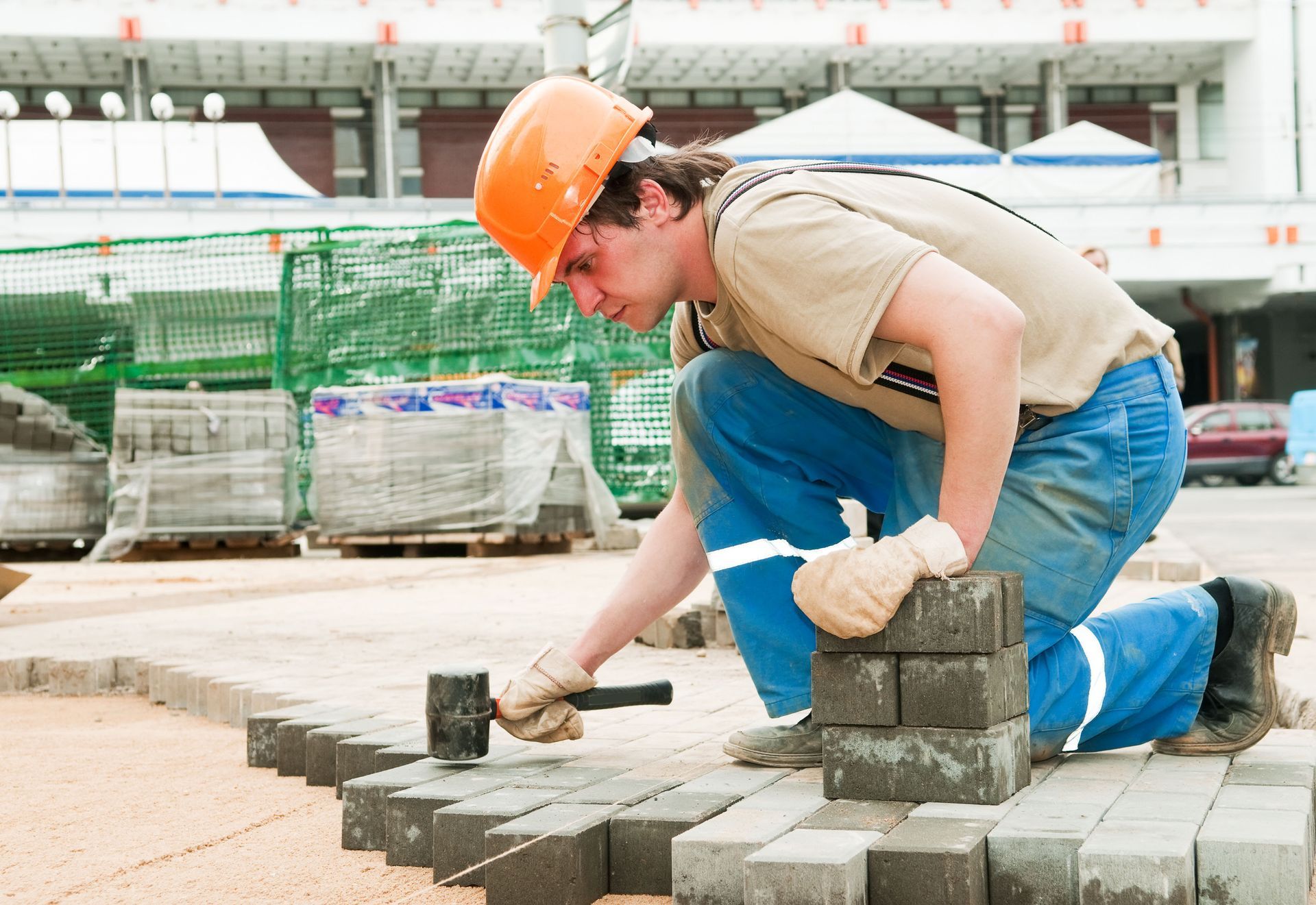
High-quality outdoor construction results depend heavily on proper planning, skilled installation, and experienced execution. Working with professionals ensures that outdoor features are built with attention to structural integrity and long-term usability. This helps improve overall project outcomes.
Perform Ongoing Maintenance Practices
Routine maintenance plays an important role in preserving outdoor construction features over time. This may include cleaning surfaces, checking for settling or shifting, and maintaining drainage pathways. These tasks help protect long-term functionality.
Consistent upkeep helps ensure that patios, walkways, retaining walls, and other installed elements remain functional and visually consistent over time. Regular attention helps reduce long-term repair needs. It also supports continued usability across seasons.